The UK Autumn Budget 2025 brings mixed news for small businesses and sole traders: targeted tax reliefs and business rates support offer some breathing space, but extended tax freezes and higher dividend rates mean tighter margins ahead.
UK Autumn Budget 2025 – What It Means for Small Businesses and Sole Traders
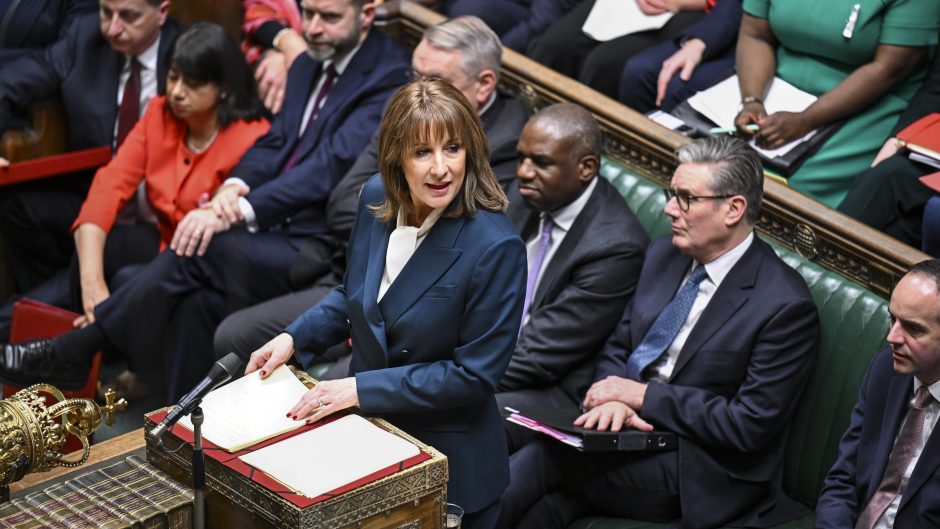
Chancellor Rachel Reeves’ Autumn Budget, announced on 26 November 2025, sets out measures designed to balance growth ambitions with fiscal restraint. For small businesses and sole traders, the impact is a blend of opportunities and challenges.
📈 Positive Measures
- Business Rates Relief: Over 750,000 retail, hospitality, and leisure properties will benefit from permanently lower business rates, worth nearly £900m annually from April 2026.
- Rates Cap Support: A £4.3bn package will limit sharp increases in business rates bills for sectors hardest hit by revaluations.
- Growth Investment Drive: The Chancellor pledged “the biggest drive for growth in a generation,” with reforms aimed at unlocking investment and innovation.
- Stable GDP Outlook: While growth forecasts are modest (around 1.5% annually through 2030), they provide a degree of predictability for planning.
⚠️ Negative Implications
- Tax Threshold Freezes: The income tax personal allowance and higher-rate thresholds remain frozen, dragging more sole traders into higher tax bands as earnings rise.
- National Insurance: Threshold freezes also apply here, increasing effective contributions for many small business owners.
- Dividend & Savings Tax: Higher rates on dividend and savings income will squeeze those relying on investment returns.
- Compliance Burden: New restrictions on deductions and tightened rules for working-from-home claims add complexity.
- Reduced Growth Forecasts: The OBR downgraded medium-term growth expectations, signalling a tougher environment for expansion.
What This Means for You
For small businesses and sole traders, the Budget offers short-term relief on property costs but long-term pressure from frozen thresholds and higher taxes. Those in retail, hospitality, and leisure stand to gain most from rates support, while service-based sole traders may feel the pinch from rising personal tax burdens.
In practice, this Budget rewards businesses investing in growth and innovation, but penalises those relying on dividends or savings. Careful tax planning and exploring efficiency gains will be essential to offset the increased costs.
If you would like advice on how the budget affects you or your business, please contact us for a no-obligation discussion.